

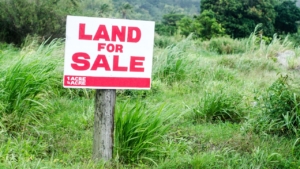
Vacant land loans give you a way to finance a buildable lot now and construct a home on it later. Whether the parcel is raw acreage or an improved lot with utilities at the line, vacant land loans work differently from a standard mortgage, with a larger down payment, a shorter term, and a close look at the land itself. Knowing how these loans work, and how raw and improved land differ, helps you target the right parcel and line up your financing before you buy. This guide covers what you can finance, the requirements, and six practical tips for buying vacant land.
What Are Vacant Land Loans?
Vacant land loans finance land with no home on it, purchased with the intent to build later. Instead of paying for a finished house, you are financing the lot itself, which lets you secure it at today’s price and break ground when your plans and budget line up. Most vacant land loans run as a 10-year fixed loan for investment land, so your payment stays the same for the full term, with no penalty for paying it off early once you refinance into construction or permanent financing.
Because there is no house backing the loan yet, lenders treat vacant land as higher risk than a finished property. That shapes the down payment, the credit requirements, and the type of land that qualifies. The more build-ready the parcel, the more comfortable a lender tends to be.
In practical terms, vacant land loans turn a parcel you cannot buy outright into a manageable monthly payment. You put money down, finance the balance over a fixed 10-year term, and hold the land until you are ready to build, all while your payment stays predictable.
Vacant Land Loans vs. a Construction Loan or Mortgage
It helps to know where vacant land loans fit among the financing you might use to build a home. Three loans handle three different jobs:
- Vacant land loan: pays for the lot itself
- Construction loan: pays to build the house
- Mortgage: tied to a finished home you own or are buying
Many buyers use them in sequence: finance the land now, build later with construction financing, then settle into a permanent mortgage once the home is complete. The land loan is the first step, which is why a shorter term and a higher rate are easier to plan around when you treat them as a bridge to the build.
Raw vs. Improved Land: Why the Difference Matters
Not all vacant land is the same, and the level of development shapes how it finances. The closer a parcel is to build-ready, the friendlier the terms tend to be.
| Land Type | What It Means | Financing |
|---|---|---|
| Improved | Utilities and road access in place, often platted | Best pricing, easiest to value |
| Unimproved | Some access, limited or no utilities | Moderate, reviewed case by case |
| Raw | No utilities, access, or improvements | Hardest to value, closest review |
Raw Land Loans
Raw land loans cover parcels with no utilities, road access, or other improvements. Raw land is harder to appraise and slower to resell, so lenders look closely at zoning, access, and nearby sales. Residential-zoned raw land with a clear path to a future home gets the friendliest treatment, and going in with the parcel details ready makes the process smoother.
Improved Land Loans
An improved land loan finances a lot that already has utilities at the property line and legal road access, often inside a platted subdivision. Because the parcel is closer to build-ready and easier to value, improved land typically earns better pricing than raw acreage. If you are choosing between two lots, the improved one usually finances on better terms.
What You Can Finance With Vacant Land Loans
To qualify for a vacant land loan, the parcel needs to fit a few clear criteria:
- Vacant, buildable residential land, up to 20 acres
- A loan amount between $50,000 and $500,000
- Residential zoning for one to four units, or an appraisal that supports residential use
- No structure of value on the lot, since this is raw, buildable land
- Held as an investment, with plans to build later, not a primary or vacation home
Farmland, commercial ground, and recreational tracts sit outside the core residential program, so confirming zoning and intended use early saves time and surprises.
Loans for Vacant Land: Requirements and Down Payment
The requirements for loans for vacant land are straightforward, though the down payment is higher than a typical home purchase.
| Requirement | Detail |
|---|---|
| Down payment | 20% minimum |
| Credit score | 680 or higher |
| Loan amount | $50,000 to $500,000 |
| Term | 10-year fixed |
| Acreage | Up to 20 acres |
| Documentation | Full documentation of income and assets |
Plan on at least 20% down and a credit score of 680 or higher. A larger down payment lowers your loan-to-value ratio and can improve your pricing. Loans for vacant land are full-documentation loans, and income produced by the land itself cannot be used to help you qualify.
How Land-to-Value Affects Your Loan
One factor that surprises buyers is land-to-value, which measures how much of a finished property’s value comes from the land versus the home that will sit on it. A common rule of thumb is that the land should not make up more than about half of the total value, though this varies by program and lender. When the land carries most of the value, lenders grow cautious.
Very large or unusual parcels can also be measured by their effective lot size. A lot that is steeply sloped, crossed by a creek, or limited by easements may finance as if it were smaller than its full acreage. Knowing this early helps you target parcels where the numbers work in your favor.
You can keep land-to-value in check by favoring lots where the planned home will represent a healthy share of the finished value. In practice, that often means avoiding oversized or premium lots that dwarf the house you intend to build. A balanced parcel finances more smoothly and protects your appraisal.
6 Practical Tips Before You Buy Vacant Land
A little preparation goes a long way with vacant land loans. These six tips keep your purchase on track:
- Confirm zoning and use. Residential zoning, or an appraisal supporting residential use, keeps the lot inside the program.
- Check access and utilities. Road access and utilities at the line improve pricing and signal a build-ready parcel.
- Save at least 20% down. More down lowers your loan-to-value ratio and can earn better terms.
- Mind your credit. A score of 680 or higher is the floor, and a stronger score helps your pricing.
- Watch the land-to-value. Steer clear of parcels where the land alone carries most of the value, since lenders treat those cautiously.
- Plan your build and exit. Map out when you will break ground and how you will refinance once the home is complete.
Common Challenges With Raw Land
Raw land introduces a few hurdles worth planning for:
- Thin comparable sales, which make appraisals harder
- Limited or no utilities and road access, which can affect value
- Zoning or use that falls outside residential
- A larger cash requirement than a finished-lot purchase
- A structure of value on the parcel, which falls outside a raw-land program
None of these rule out financing. They simply call for more preparation, and a residential, buildable parcel keeps the path clear.
Where You Can Finance Vacant Land
Land financing is not available everywhere, so location is part of the picture. JVM Lending’s land loan is offered in Arizona, California, Florida, Georgia, Idaho, Illinois, Louisiana, Massachusetts, Oregon, Tennessee, and Texas. The requirements stay consistent across those states, though local zoning rules, property taxes, and appraisal comparables vary from one market to the next. If your lot sits outside that footprint, you will need a lender licensed where the land is located. Working with a lender that has a dedicated land program also tends to mean cleaner pricing and fewer surprises.
Who Vacant Land Loans Are Best For
Vacant land loans fit buyers who have found a parcel worth securing now and plan to build later. They work well for people who want to design and build their own home rather than buy an existing one, and for investors holding buildable residential land for a future project. Because the financing is for investment land you intend to build on, it is not the right tool for a parcel you want to live on right away or use as a vacation spot.
If that describes your plans, locking in the lot first removes the pressure to build immediately, which helps when permits, plans, or budgets need time to come together.
After You Buy: Building and Refinancing
Vacant land loans are designed to be temporary. Once your home is built and a finished property is securing the loan, you can refinance into construction or permanent mortgage financing, which is priced lower than a land loan. A higher land rate now that keeps your monthly payment comfortable is rarely a problem when it is temporary by design.
JVM Lending’s land loan carries no prepayment penalty, so you are free to refinance into new financing as soon as your build is done.
If rates have fallen by the time you finish, that refinance can lower your payment even further, giving you a clear runway from raw lot to finished home.
Frequently Asked Questions
What are vacant land loans?
Vacant land loans finance a lot with no home on it, purchased with the intent to build later. They typically run as a 10-year fixed loan for investment land, require at least 20% down and a 680 credit score, and focus on the parcel’s zoning, size, and condition rather than an existing house.
Are raw land loans harder to get than improved land loans?
Raw land loans can take a closer look, because raw parcels lack utilities and access and are harder to value. An improved land loan, with utilities and road access in place, usually finances on better terms because the lot is closer to build-ready.
How much do you need down for a vacant land loan?
Plan on at least 20% down for vacant land loans, along with a credit score of 680 or higher. A larger down payment lowers your loan-to-value ratio and can improve your rate.
What credit score do you need for loans for vacant land?
A credit score of 680 or higher is generally the floor for loans for vacant land. A stronger score can improve your pricing and smooth the approval process.
Can I finance unimproved or raw land?
Yes. Raw and unimproved parcels can be financed when they are residentially zoned and buildable. Lenders look closely at access, utilities, and nearby sales, so having those parcel details ready helps the process move.
How long can you hold a land loan before building?
There is no deadline to break ground. The land loan runs for a fixed term, so you can hold the parcel and build whenever your plans and budget line up. When you are ready, you refinance into construction or permanent financing with no penalty for paying the land loan off early.
Bringing It All Together
Vacant land loans let you claim the right parcel now and build when the timing is right. Know whether your lot is raw or improved, line up a 20% down payment and a 680 credit score, and confirm the zoning before you apply. With the parcel details in hand, financing vacant land is a straightforward step toward the home you plan to build. Take a little time up front to confirm the parcel and your numbers, and the rest of the process tends to move quickly.
Contact JVM Lending to get pre-approved and review your options.
This article is for educational purposes only. Land loan terms, down payment and credit minimums, loan and acreage limits, documentation, and state availability vary by lender and borrower profile and are subject to change. Figures are not a commitment to lend. Confirm current program details and verify any rate before making a decision.