

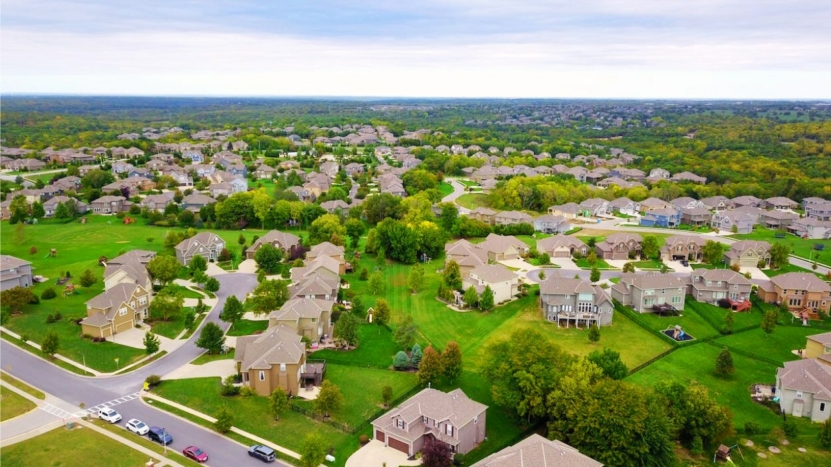
Whether you’re buying a home in Fort Worth, Arlington, Mansfield, or anywhere else in the DFW area, understanding Tarrant County property taxes is essential for sound financial planning. This guide covers how your taxes are calculated, what you can expect to pay, and everything you need to know about due dates, exemptions, and online payment.
What Are Property Taxes?
Property taxes are annual charges based on the assessed value of your real estate. In Tarrant County, which has more property tax accounts than any other county in Texas, these taxes fund essential local services including public schools, fire departments, road maintenance, public health through JPS Health Network, and Tarrant County College.
Because Texas has no state income tax, local property taxes carry significant weight in funding community services. Your total bill reflects the combined rates of every taxing entity that covers your property: Tarrant County, your city, your school district, JPS Health Network, Tarrant County College, and any applicable special districts.
How Are Tarrant County Property Tax Rates Determined?
Each year, the Tarrant Appraisal District (TAD) assesses the market value of your property as of January 1. Each taxing entity, the county, city, school district, and others, then sets its own rate based on its budget needs. Your tax bill is calculated by multiplying your property’s taxable value (assessed value minus any exemptions) by each entity’s rate, then summing those amounts.
For 2025, the key rates for a typical Fort Worth homeowner are:
- Tarrant County: $0.1862 per $100 of taxable value
- JPS Health Network: $0.1650 per $100 of taxable value
- Fort Worth ISD, City of Fort Worth, and Tarrant County College: combined rates that bring the total for most Fort Worth residents to approximately $2.24 per $100 of taxable value
Because rates vary by city and school district, your exact combined rate depends on your specific address. Homeowners in Arlington, Keller, Mansfield, and other Tarrant County cities pay different city and school district rates. Based on an average taxable homestead value of $277,000, the typical Tarrant County homeowner pays approximately $6,188 per year in total property taxes. You can look up your specific estimated bill using this link.
When Are Tarrant County Property Taxes Due?
Tax bills are mailed starting in October. The standard due date is January 31, taxes not paid by that date become delinquent on February 1, and penalties and interest begin accruing immediately.
Tarrant County also offers a half-payment option: taxpayers may pay one-half of their total annual bill by November 30 and the remaining half by June 30 of the following year. This option must be elected upfront, if you miss the November 30 first-half deadline, you are no longer eligible and the full amount becomes due by January 31.
Homeowners who are over 65, disabled, or disabled veterans may also qualify for quarterly installment payments on their homestead taxes without penalty. Contact the Tarrant County Tax Office to confirm your eligibility.
Can I Pay My Tarrant County Property Tax Bill Online?
Yes. The Tarrant County Tax Office recently launched a new, user-friendly online payment portal. No login is required to view your account details or make a payment, simply search by account number, owner address, or owner name. You can also sign up for paperless billing and payment reminders through the portal.
Pay online using this link. Payments by eCheck carry no convenience fee; credit and debit card payments are subject to a convenience fee charged by the payment processor. You can also pay by phone at 817-884-1110.
Think your property tax bill is too high?
See your potential savings in under 2 minutes. No upfront cost.
Frequently Asked Questions
Are There Property Tax Exemptions Available in Tarrant County?
Yes, and 2025 brought meaningful new exemptions to Tarrant County homeowners:
- General Homestead Exemption (School Districts): The school district homestead exemption is now $140,000, increased from $100,000 in 2023. Texas voters approved this further increase in November 2025. To qualify, the property must be your primary residence as of January 1 of the tax year.
- New County and JPS Health Network Exemptions: For 2025, Tarrant County introduced a 10% homestead exemption for both the county and JPS Health Network rates, the first time either entity has offered this relief. This stacks on top of the school district exemption for additional savings.
- Over-65 / Disabled Exemption: Homeowners who are 65 or older or have a qualifying disability receive an additional $60,000 off their school district taxable value, for a combined total of $200,000 in school tax exemptions. They also receive a tax ceiling, meaning their school district taxes cannot increase as long as they own the home.
- Disabled Veteran Exemptions: Partial to full exemptions are available depending on the VA disability rating.
To apply for any exemption, submit your application to the Tarrant Appraisal District (TAD). There is no fee to apply. The filing window opens January 1 and the deadline is April 30 for the current tax year.
What Happens If I Miss the January 31 Deadline?
If your payment is not received by January 31, a 6% penalty plus 1% interest is added to your unpaid balance starting February 1. Interest continues to accrue at 1% per month. If taxes remain unpaid after July 1, an additional collection penalty may be added. Partial payments are accepted and reduce the balance subject to penalties.
If you are unable to pay in full, contact the Tarrant County Tax Office as soon as possible. Delinquent installment payment agreements may be available for qualifying homeowners.
How Can I Challenge My Property’s Assessed Value in Tarrant County?
If you believe TAD has appraised your property above its fair market value, you have the right to protest. The protest deadline is May 15 or 30 days after your appraisal notice is mailed, whichever is later. File your protest online, by mail, or in person. If the informal review doesn’t resolve the dispute, you can present your case to the Appraisal Review Board (ARB).
Is There a Cap on How Much My Tarrant County Property Taxes Can Increase?
Yes. Once your homestead exemption is on file, Texas law limits the annual increase in your home’s appraised value for tax purposes to no more than 10% per year, regardless of how much market values have risen. This protects you from sharp single-year spikes. Homeowners over 65 also benefit from a school tax ceiling, which freezes that portion of their bill at the level in effect when they first qualified.
Note that while your appraised value is capped at 10% annually, tax rates can still change based on each taxing entity’s budget needs. Your total bill reflects both factors.
Does My Mortgage Lender Pay My Property Taxes?
If your mortgage includes an escrow account, your lender collects a portion of your estimated annual property tax with each monthly payment and remits it to the Tarrant County Tax Office by the January 31 deadline. Review your annual escrow analysis to confirm the correct amount is being collected, especially after any changes to your appraised value or exemption status.
Questions About Your Tarrant County Property Taxes?
Whether you’re buying a home in the Fort Worth area, planning a refinance, or trying to make sense of your annual tax bill, JVM Lending is here to help you navigate the process with confidence.
Connect with JVM Lending at (855) 855-4491 or email hello@jvmlending.com.
You may be overpaying on your property taxes
Find out in 2 minutes if you qualify to lower your bill. No upfront fees. You only pay if you save.

*Average annual savings reported by Ownwell customers. Eligibility and savings vary.
Please Note: The information provided in this blog post is intended for informational and educational purposes only. JVM Lending is not a tax professional or financial advisor. Property tax laws and regulations can be complex and may vary by location and individual circumstances. We strongly recommend consulting with a certified tax professional for personalized advice. If you’d like a referral, contact us and we’ll connect you with a trusted professional in our network.