

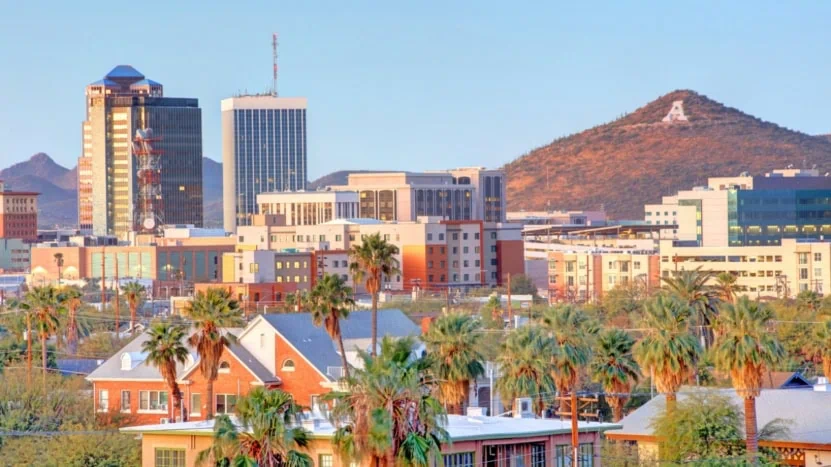
Tucson’s real estate market in 2026 reflects a more balanced and stable housing environment. Buyer demand remains steady, price growth has moderated, and housing inventory has improved compared to prior years. These shifts are creating a market that offers opportunities for buyers, sellers, and investors who understand local conditions.
Economic Factors Shaping the Market
Several economic conditions are influencing Tucson’s housing market in 2026. Inflation across Arizona has continued to cool, helping stabilize household budgets and easing pressure on borrowing costs. Mortgage rates have remained relatively steady, hovering in the mid-6% range, which provides buyers with more predictability when planning purchases.
Employment growth continues to support housing demand. Tucson’s economy benefits from strong education, healthcare, aerospace, and defense sectors. Job growth is expected to remain steady throughout the year, supporting continued interest from both local buyers and households relocating from higher-cost Western cities.
Consumer confidence has improved, encouraging more buyers to enter or re-enter the market. Whether purchasing a first home, upgrading, or downsizing, buyers are approaching decisions with more caution and financial clarity than in previous years.
Market Stabilization After Years of Volatility
After years of sharp swings, Tucson’s housing market has settled into a more predictable pattern. Rapid price increases and intense bidding competition have eased, allowing both buyers and sellers to operate with more confidence.
Homes are taking longer to sell compared to peak market conditions, giving buyers more time to evaluate options and negotiate. Sale-to-list price ratios have softened slightly, signaling fewer bidding wars and more balanced negotiations.
Price appreciation remains positive but moderate. Most neighborhoods are experiencing low-single-digit annual growth, supporting equity gains for homeowners while keeping affordability within reach for buyers.
Housing Inventory Outlook
Housing inventory continues to improve across the Tucson metro area in 2026. Active listings have increased compared to prior years, pushing supply closer to levels associated with a balanced market. While inventory has not reached buyer market territory, conditions are less restrictive than in the past.
New construction remains active, particularly in areas such as Oro Valley, Vail, and Marana. Zoning adjustments and development incentives are supporting the construction of townhomes, duplexes, and higher-density housing options. These additions are helping expand choices for buyers at different price points.
As mortgage rates stabilize, more homeowners are also choosing to list their properties. This gradual increase in resale inventory is helping reduce pressure on buyers and improve overall market balance.
A Balanced Market for Buyers and Sellers
The Tucson housing market in 2026 favors thoughtful decision-making. Buyers benefit from more inventory, slower price growth, and less competition. Sellers can still take advantage of long-term appreciation, but must price homes realistically and prepare properties well to attract interest.
While competition has eased, desirable homes in strong locations continue to attract attention. Understanding neighborhood-level trends remains critical for success on both sides of the transaction.
View mortgage rates for July 14, 2026
Financing Options and Affordability in Tucson
Financing remains a key consideration for Tucson buyers in 2026. Mortgage rates, while higher than historic lows, have stabilized, allowing buyers to plan with greater certainty. A wide range of loan programs continues to support different buyer profiles.
First-time homebuyers often benefit from FHA loans with lower down payment requirements, USDA loans for eligible suburban areas, and state-supported down payment assistance programs. These options help reduce upfront costs and expand access to homeownership.
Repeat and move up buyers frequently rely on conventional financing and may use existing equity to support new purchases. In higher-priced neighborhoods such as Catalina Foothills, jumbo loan options help accommodate larger loan amounts.
Investment buyers continue to utilize conventional and portfolio loan products designed for rental properties. With Tucson’s strong rental demand, financing strategies that prioritize long-term cash flow remain popular.
Working with experienced mortgage professionals helps buyers identify programs that align with their financial goals and long-term plans.
Contact JVM Lending today to get started on your home financing journey.
Regional Market Differences
Tucson’s real estate market varies significantly by neighborhood and submarket.
- Downtown Tucson and West University remain highly desirable due to walkability, cultural amenities, and proximity to the university. Inventory remains limited, and prices reflect strong demand.
- Catalina Foothills continues to attract luxury buyers seeking views and privacy. Supply is moderate, and appreciation remains steady.
- Oro Valley and Marana offer suburban appeal with newer housing, schools, and family-oriented communities. These areas remain popular among move-up buyers.
- Vail and Sahuarita provide some of the most affordable options in the region. These markets attract first-time buyers and investors due to lower entry prices and expanding development.
Understanding these localized differences is essential when planning a purchase or sale.
Impact of Local Policies and Legislation
Local policy decisions continue to shape Tucson’s housing market in 2026. Zoning reforms in Pima County support higher-density housing near employment centers and transportation corridors. These changes aim to increase housing supply and improve affordability over time.
Affordable housing incentives, including fee reductions and development support, continue to encourage construction targeted at moderate-income buyers. Short-term rental regulations remain in place, influencing investor strategies and rental supply in residential neighborhoods.
Staying informed about policy updates helps buyers and investors anticipate future market changes.
Rental Market and Investment Outlook
Tucson’s rental market remains strong in 2026. High demand, driven by population growth and affordability challenges for homeownership, continues to support rising rents. Occupancy rates remain high across most submarkets.
Investors remain focused on multi-family and long-term rental properties, where consistent demand supports stable returns. Short-term rental opportunities remain present in select areas, though regulatory oversight has increased.
Overall, rental demand is expected to remain solid, making Tucson an attractive market for income-focused investors.
Frequently Asked Questions
Will Tucson home prices drop in 2026?
A significant price decline is unlikely. Most areas are expected to see stable pricing or modest appreciation.
What are the 2026 loan limits for Tucson?
For 2026, the Federal Housing Administration (FHA) loan limit for a single-family home in Tucson, AZ, is set at $541,287. This reflects the national FHA floor and aligns with median home prices in the Tucson area.
Conventional (conforming) loan limits in Pima County, which includes Tucson, are set at $832,750.
It’s important to note that FHA and conforming loan limits differ. FHA loans generally offer lower down payment requirements and more flexible credit standards, making them popular with first-time homebuyers. However, if your desired loan amount exceeds the FHA limit for your county, you will need to explore conventional or jumbo loan options.
FHA limits are set by the Department of Housing and Urban Development (HUD) and can affect down payment requirements and eligibility.
Is 2026 a good time to buy in Tucson?
For many buyers, yes. Increased inventory and stable mortgage rates create more opportunities and less competition.
Which Tucson areas offer the best value?
Vail and Sahuarita offer affordability, while Oro Valley and downtown neighborhoods provide strong amenities at higher price points.
What factors most influence Tucson’s housing market?
Mortgage rates, job growth, housing supply, population trends, and local policy decisions all play a role.
Ready to Jump Into the Tucson Market?
Navigating Tucson’s real estate market in 2026 requires insight and careful planning. Whether you are buying, refinancing, or investing, understanding current conditions helps you make confident decisions.
JVM Lending’s team is here to guide you through financing options and market trends. Reach out today to explore your opportunities and take the next step toward your goals in Tucson.