

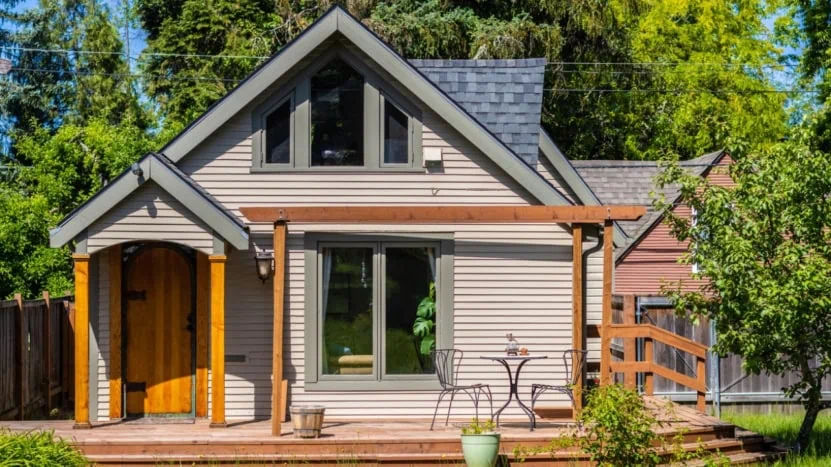
Are you dreaming of owning a home in the scenic state of Oregon? If the process of buying a home seems overwhelming, an FHA loan in Oregon might be the perfect solution. This guide explains what FHA loans are, explores their benefits and requirements, and answers common questions about the process. Whether you’re an experienced or first-time home buyer, our friendly guide will help you navigate everything from FHA loan limits in Oregon to the step-by-step loan application process.
Understanding FHA Loans
FHA loans are government-insured mortgages provided by the Federal Housing Administration (FHA), a division of HUD. Designed to make homeownership more accessible, these loans offer flexible terms for home buyers who might not qualify for conventional loans.
Below are some FHA loan highlights:
- Low Down Payment: You can secure a home loan with a low 3.5% down payment, even if your credit scores aren’t perfect.
- DTI & Credit: Lenders consider your debt-to-income ratio rather than relying solely on your credit history, which makes it easier for many buyers to qualify.
- Occupancy: FHA loans are intended for those buying a primary residence, so you must intend to live in the home you purchase (multi-family properties with up to 4 units can be purchased with an FHA loan too, so long as the owner resides in one of the units).
Why Consider An FHA Loan in Oregon?
Oregon’s housing market varies widely, from the competitive real estate scene in Portland to more affordable areas like Eugene, Salem, and Bend. With rising home prices and a strong demand for housing, FHA loans offer an accessible path to homeownership by providing lower down payment options and flexible credit requirements.
For buyers in both urban and rural areas, FHA loans help reduce upfront costs while still securing a home in a growing market. Oregon’s FHA loan limits vary by county, with higher limits in pricier regions like the Portland metro area.
Additionally, FHA loans can be used to purchase multi-family properties (up to four units), making them a great option for buyers interested in house hacking—living in one unit while renting out the others to offset mortgage costs.
Here’s why an FHA loan in Oregon might be right for you:
Minimal Down Payments
FHA loans require a down payment as low as 3.5%, significantly reducing the upfront financial burden. This low down payment can be a game-changer for home buyers with limited savings, enabling you to secure your primary residence without needing a larger down payment like many conventional loans.
Competitive Low Interest Rates
Enjoy competitive low interest rates that help lower your monthly mortgage payments. FHA loans often provide favorable rates compared to conventional loans, potentially saving you money over the life of your loan.
Lower Credit Requirements
Great news for those with less-than-perfect credit! FHA loans welcome buyers with credit scores as low as 580, making homeownership attainable even if you’ve faced credit challenges. This leniency means you can qualify for an FHA home loan without the steep penalties often imposed by conventional financing.
Flexible Debt-to-Income Ratios
FHA lenders consider your debt-to-income DTI ratio alongside your credit history, increasing your chances of approval. This flexible approach helps more home buyers secure financing and makes the FHA loan program a viable alternative to traditional loan options.
A Second Chance for Homebuyers
FHA loans also offer a fresh start for those who have experienced foreclosure, short sale, or bankruptcy. With more forgiving waiting periods than conventional loans, FHA financing can provide a second chance at homeownership—even if you need minor home repairs or have encountered financial setbacks.
These advantages make FHA loans in Oregon an attractive option for many buyers, especially when considering current loan limits for 2025, median home prices, and your overall loan amount requirements.
Potential Drawbacks of FHA Loans
While FHA loans offer many benefits, it’s important to consider potential downsides:
Mortgage Insurance
FHA loans require ongoing mortgage insurance premiums for the life of the loan. Although conventional loans include Private Mortgage Insurance (PMI) when the down payment is under 20%, PMI on conventional loans drops off once you build sufficient equity. In contrast, FHA mortgage insurance remains in place, which can increase your overall costs.
Property Standards
The property you choose must meet strict FHA standards for safety, security, and structural integrity. While these requirements protect you as a buyer, they may limit your options—especially if you’re considering homes that need significant home repairs or renovations.
Loan Limits
Although FHA loan limits in Oregon are generally accommodating, they may not cover the full price of higher-end homes in certain markets. This can restrict your loan options if you’re targeting properties in high-value areas.
FHA Loan Limits in Oregon
FHA loan limits in Oregon vary by region, reflecting local market conditions and median home prices. These limits determine the maximum loan amount you can secure for different property types. For example, limits for a single-family home provide a baseline, while higher limits are available in more expensive areas. Staying informed about the loan limits in Oregon—including the latest loan limits for 2025—can help guide your home search within your budget.
To check current limits, use our Loan Limit Checker and input your target zip code.
How To Apply for an FHA Loan in Oregon
Ready to move forward? Follow these steps to apply for an FHA loan in Oregon:
- Find an FHA-Approved Lender: Choose a lender approved by the Federal Housing Administration who understands the Oregon market. JVM Lending is FHA-approved and experienced with FHA loans in Oregon. Contact us today to get started.
- Review Your Finances: Assess your credit score, income, and overall financial health. Use a mortgage calculator to set a realistic budget. Our team is available to help analyze your financial situation and answer any questions.
- Gather Necessary Documents: Collect essential documents such as recent pay stubs, tax returns, and bank statements. These documents verify your income and demonstrate that you have the funds for a 3.5% down payment.
- Submit Your Loan Application: Complete and submit your loan application with all required documentation. We work closely with you to ensure your application is accurate and complete.
- Establish Your Homebuying Budget: Collaborate with our mortgage experts to define a clear homebuying budget. We’ll help you understand local market conditions, FHA loan limits in Oregon, and how the purchase price aligns with your loan amount.
- Receive Your Pre-Approval and Start Home Shopping: Once your application and documents are reviewed, you’ll receive an official pre-approval letter from us. With pre-approval in hand, you can confidently begin shopping for your perfect primary residence in Oregon.
FAQs: Oregon FHA Loans
Can I use an FHA loan to buy a single-family home in Oregon?
Yes, FHA loans are commonly used to purchase a single-family home in Oregon, but they can also be used to buy multi-family properties with up to four units. FHA guidelines require that the home must be your primary residence, meaning you must occupy the property within 60 days of closing. This makes FHA loans a great option for buyers looking to settle into a safe, comfortable home while also providing opportunities for rental income with multi-unit properties.
What is the minimum down payment for an FHA loan?
FHA loans typically require a down payment of 3.5%, making them accessible even if you haven’t saved a large sum for a down payment.
Are FHA loans available to buyers with lower credit scores?
Absolutely. FHA loans are designed to be forgiving, with minimum credit score requirements generally at 580 or higher, though terms may vary.
How do FHA loan limits work in Oregon?
The FHA loan limits in Oregon vary by region and determine the maximum loan amount you can borrow. These limits adjust based on local market conditions and median home prices.
Can I get assistance with my FHA down payment?
Some buyers may qualify for payment assistance programs, which can help with the upfront costs. It’s a good idea to explore these options if you need additional financial support.
JVM Lending offers an exclusive in-house homebuying assistance program that works directly with FHA loans and covers most of the upfront costs associated with buying a home. Contact us to learn more and to see if you qualify.
What documents are essential for the application?
You will need to provide tax returns, pay stubs, bank statements, and your credit report. These documents verify your income and financial stability, ensuring you meet the FHA loan requirements in Oregon.
Get Expert Guidance for Your FHA Loan
FHA loans offer a promising path to homeownership for many Oregon home buyers, providing a blend of accessibility, flexibility, and support for buyers with diverse financial backgrounds. Whether you’re a first-time buyer or looking to re-enter the housing market, understanding the ins and outs of FHA loans can help you secure your ideal home at a competitive purchase price with manageable interest rates.
Ready to explore your options? JVM Lending is here to guide you every step of the way. Contact us today to discuss your FHA loan options in Oregon and turn your homeownership dreams into reality.