

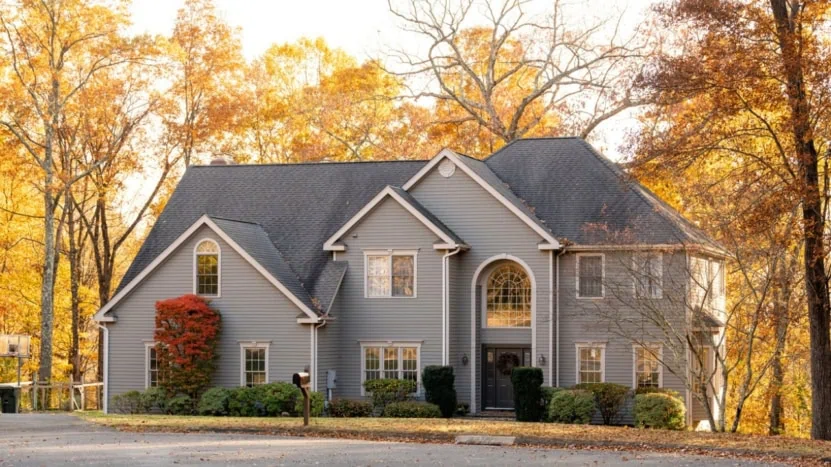
In simple terms, home appreciation means your property increases in value over time. This is great news for homeowners because appreciation builds equity, strengthens financial security, and can lead to bigger profits when selling a home. But what causes home values to increase? And how can you determine if your home has appreciated? Let’s dive into everything you need to know about home appreciation.
What Is Home Appreciation and Why Does It Matter?
Home appreciation refers to the increase in a property’s value over time. This growth happens due to various factors affecting home appreciation, such as market conditions, neighborhood developments, economic trends, and property improvements. Appreciation is important because it allows homeowners to build equity, leverage their homes for future investments, and maximize their return when selling.
For real estate investors, home appreciation is a key component of real estate investment strategies. Properties that steadily increase in value provide long-term wealth-building opportunities. According to the Federal Housing Finance Agency (FHFA), home values in the United States have generally risen over the past decades, making real estate a historically solid investment.
How Can You Determine If Your Home Has Appreciated?
There are several ways to check if your home has gained value over time:
- Comparative Market Analysis (CMA): A real estate agent can analyze recent home sales in your area to estimate your home’s worth.
- Online Home Valuation Tools: Websites provide home value estimates based on recent sales and local data.
- Professional Appraisal: Hiring a licensed appraiser gives you a more precise market value.
- Home Appreciation by Zip Code Reports: The Federal Housing Finance Agency tracks home appreciation by zip code, allowing homeowners to see local trends.
If your home’s value has increased beyond your initial sale price, congratulations! You’ve built equity through appreciation. Use the tool below to get a rough idea of where your home’s value currently stands:
What Is the Average Home Appreciation Rate?
The average house appreciation rate varies by location, economic factors, and housing demand. Historically, home values in the U.S. increase at a national average of 3%–5% per year. However, some areas experience much higher growth due to population surges and economic booms.
For a more localized perspective, checking your home appreciation by city or zip code helps future homebuyers decide where to buy and allows current homeowners to understand how their property compares to regional trends.
What Causes Home Values to Increase?
Home appreciation is driven by several key factors that collectively boost the market value of properties:
Supply and Demand
When housing demand outpaces supply, home prices naturally rise. Factors such as rapid population growth, a booming job market, and an influx of residents into desirable areas can all create a seller’s market. In areas where housing inventory is limited, competition among buyers drives up home values.
Market Conditions
Broad economic factors play a significant role in home appreciation. Economic stability, low unemployment rates, and wage growth can increase consumer confidence and spending power, leading to higher demand for homes. Additionally, a robust real estate market often reflects positive investor sentiment and can attract further investments, fueling price increases.
Interest Rates
Interest rates are a critical factor in housing affordability. Lower interest rates reduce the cost of borrowing, making homeownership more accessible to a larger pool of buyers. This increased demand, in turn, drives up home prices. Conversely, rising rates can slow down price growth by making mortgages more expensive and reducing buyer affordability.
Neighborhood and Location
The location of a home is one of the strongest predictors of its appreciation. Properties in areas with strong school districts, abundant amenities, low crime rates, and convenient access to transportation and employment opportunities tend to appreciate faster. As neighborhoods develop and improve, desirability increases, often leading to a sustained rise in property values.
Home Improvements
Strategic renovations and upgrades can significantly boost a home’s market value. Projects such as kitchen remodels, updated bathrooms, and enhanced curb appeal not only make a property more attractive to potential buyers but also increase its functional and aesthetic appeal. Well-planned improvements that align with current market trends can lead to higher appraisals and a better return on investment.
How Can Home Appreciation Benefit You?
If your home has appreciated, you can leverage its increased value in multiple ways:
Building Equity
As your home’s value increases, so does your equity—the difference between your property’s market value and your outstanding mortgage balance. This added equity can serve as a financial cushion, providing you with more options such as taking out a home equity loan for renovations, consolidating high-interest debts, or even investing in additional properties to diversify your portfolio.
Refinancing Opportunities
A higher home value often qualifies you for better refinancing terms. With improved equity, lenders may offer lower interest rates or more favorable loan conditions, which can reduce your monthly payments and decrease the overall interest paid over the life of your mortgage. Refinancing can also provide an opportunity to switch from an adjustable-rate mortgage to a fixed-rate option, offering greater long-term financial stability.
Profitable Selling Potential
When it’s time to sell, an appreciated home can fetch a higher sale price, maximizing your return on investment. This increased profit not only benefits you in the short term but can also provide the financial flexibility to upgrade to a larger home, invest in new opportunities, or bolster your retirement savings. Additionally, a strong sale can improve your creditworthiness, making it easier to secure loans in the future.
Investment Growth
For real estate investors, home appreciation is a crucial component of long-term wealth building. Properties in high-growth areas can yield significant capital gains, and a rising market can create opportunities for leveraging increased value to acquire additional properties. Over time, this compounded growth can result in a robust investment portfolio, offering both ongoing rental income and potential profit upon resale.
Frequently Asked Questions
What’s the difference between home appreciation and home depreciation?
While home appreciation refers to an increase in value, depreciation means a decrease in property value. Depreciation can occur due to market downturns, declining neighborhood conditions, or lack of maintenance. To protect your home’s value, stay on top of repairs, invest in smart home upgrades, and monitor economic conditions that impact housing prices.
Is home appreciation taxable?
The good news is that if you sell your single-family home and make a profit, you may qualify for a capital gains tax exclusion. The IRS allows homeowners to exclude up to $250,000 in gains ($500,000 for married couples) if they have lived in the home for at least two of the past five years. However, real estate investors may face different tax implications depending on how they structure their investments.
Tax laws can be complex and vary based on individual circumstances. It’s always advisable to consult with a qualified tax professional to ensure you understand your specific tax obligations and maximize any potential benefits.
Does remodeling increase your home value?
Yes! Strategic home improvements are a great way to increase your home value and boost appreciation. Renovations with the highest return on investment include:
- Kitchen remodels
- Bathroom updates
- Adding square footage (extra rooms, finished basements, home offices)
- Landscaping and curb appeal enhancements
- Energy-efficient upgrades (solar panels, modern HVAC systems)
While remodeling adds value, not all projects provide the same return. Homeowners should prioritize improvements with broad appeal and functional benefits.
How To Maximize Your Home’s Appreciation
Home appreciation is a powerful financial advantage that increases wealth and provides greater opportunities for homeowners and investors. Understanding the factors affecting home appreciation, tracking your home’s value, and making strategic improvements can help you maximize your property’s potential.
At JVM Lending, we provide expert guidance tailored to your homeownership goals. Whether you’re looking to leverage your home’s appreciation for future financial moves or need insights into local market trends, our team is here to help. With deep knowledge of the real estate market and financing solutions that align with long-term strategies, we empower homeowners to make informed decisions.
Curious about your home’s appreciation? Let JVM Lending help you explore your options with confidence – contact us today to learn more about home appreciation trends in your area!