

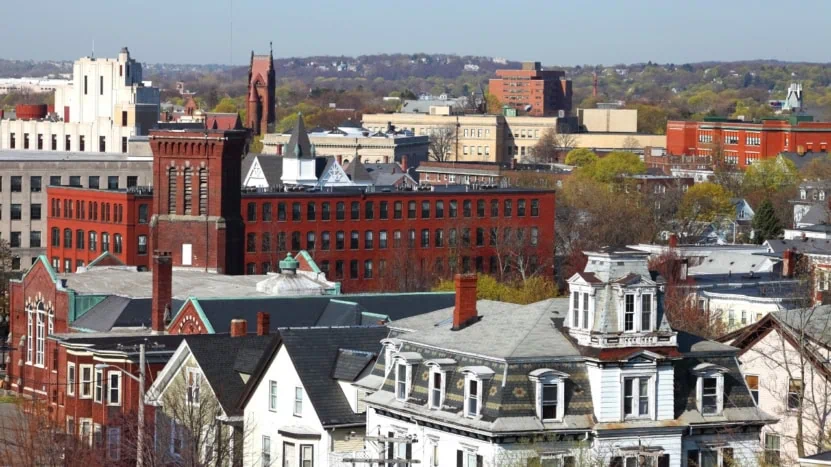
The Massachusetts real estate market remains dynamic as 2026 begins, continuing to attract homebuyers, sellers, and investors. With its diverse economy, prestigious universities, and strong cultural foundation, Massachusetts continues to attract both domestic and international interest. As the market moves into 2026, economic conditions, housing demand, and affordability will remain the primary forces shaping real estate activity across the state.
In this guide, we’ll explore the key factors influencing the Massachusetts real estate market in 2026, including price growth expectations, inventory trends, and mortgage rate outlooks.
The Economic Landscape of Massachusetts
Massachusetts enters 2026 with a resilient and diversified economy that continues to support housing demand statewide. Key industries such as technology, healthcare, education, and biotechnology remain central to job creation and population stability.
Job Growth
Employment growth is expected to remain steady in 2026, particularly in technology, healthcare, finance, and life sciences. Unemployment is projected to remain relatively low, hovering in the mid 3% range, reinforcing the state’s reputation as a stable employment hub. Boston’s tech and innovation sectors are expected to continue expanding at a moderate pace, supporting consistent housing demand in both urban and suburban markets.
Population Trends
Massachusetts continues to attract students, professionals, and families due to its universities, hospitals, and career opportunities. Population growth in 2026 is expected to remain modest but positive, with ongoing migration toward suburban and secondary markets such as Worcester and areas outside the Boston metro. High living costs in urban cores are likely to keep demand elevated in surrounding suburbs and smaller cities.
Business Environment
The state’s diverse economic base continues to appeal to businesses and investors, despite challenges such as high housing costs and taxes. In 2026, Massachusetts is expected to remain attractive to companies expanding or relocating, supporting long-term housing demand, particularly near major employment centers.
Overall, economic conditions in 2026 are expected to provide a stable foundation for the Massachusetts housing market, even as affordability remains a key concern.
Price Growth: What to Expect in 2026
Massachusetts home prices are expected to continue rising in 2026, albeit at a measured, sustainable pace.
Statewide Growth
In 2026, statewide home price appreciation is projected to fall within the 3% to 5% range. This reflects a market that is stabilizing after years of strong gains while still benefiting from limited inventory and consistent demand. Employment stability and population inflows are expected to support ongoing appreciation without significant volatility.
Regional Variations
High-demand markets such as Boston and Cambridge are forecast to see price growth closer to the upper end of the range, approximately 4% to 6%, driven by strong job markets, limited housing supply, and proximity to major institutions. Median prices in these areas are expected to remain elevated, keeping competition strong for well-priced homes.
In contrast, Western Massachusetts is projected to experience slower but steadier appreciation of around 2% to 3%. These areas continue to attract buyers seeking affordability, more inventory, and lower overall housing costs while remaining connected to the broader Massachusetts economy.
Affordability Concerns
Affordability will remain one of the biggest challenges for first-time buyers in 2026. While Massachusetts continues to offer lower price points than some major coastal markets, rising home prices and elevated borrowing costs continue to limit purchasing power. Buyers are expected to rely more heavily on suburban and secondary markets to balance affordability with access to employment centers.
Despite these challenges, Massachusetts remains an attractive market for long-term ownership and investment.
Will Housing Inventory Improve in 2026?
Housing inventory remains tight across much of Massachusetts entering 2026, particularly in the Greater Boston area. However, modest improvements in supply are expected.
- New Construction Projects: Residential construction activity is expected to continue expanding in suburban markets, including Worcester, Springfield, and surrounding communities. Multifamily and mixed-use developments are projected to add new housing units throughout 2026, helping to gradually relieve inventory pressure, particularly for entry-level and rental housing.
- Seller Activity: As home values remain elevated, more homeowners may feel comfortable listing their properties this year than in recent years. While not a surge, increased seller activity could modestly improve available inventory, especially in markets that have experienced consistent appreciation.
- Buyer Behavior: Affordability pressures are expected to continue to push buyers toward suburban and rural markets, where inventory levels are higher. This trend helps distribute demand more evenly across the state and supports balanced market conditions outside major urban cores.
While inventory is unlikely to fully normalize this year, modest improvements are expected, particularly outside the most competitive markets.
Mortgage Rates and Affordability in 2026
Mortgage rates remain a critical factor influencing buyer behavior in 2026.
- Rate Outlook: Rates are expected to remain relatively stable in 2026, potentially settling in the low to mid 6% range for 30-year fixed mortgages. While not historically low, this environment offers greater predictability for buyers and sellers than recent volatility.
- Impact on Buyers: Stable rates may improve buyer confidence and allow more households to re-enter the market, particularly first-time buyers who delayed purchases due to uncertainty. Monthly payments remain a key consideration, making affordability planning essential.
- First-Time Buyers: First-time buyers are expected to remain cautious but active in 2026, focusing on affordability, smaller homes, and suburban locations. Stable borrowing costs may support gradual increases in transaction volume.
For buyers in Massachusetts, monitoring mortgage rates and timing their purchase can significantly affect long-term affordability.
View mortgage rates for
May 5, 2026
Navigating Massachusetts Real Estate by Region
Massachusetts is home to a diverse range of real estate markets, each with its own set of characteristics and opportunities. Let’s break down the key regions:
Boston Metro Area
- Market Outlook: Boston remains the most competitive market in the state, supported by strong employment and global demand.
- Growth Areas: Suburbs such as Quincy, Newton, and Somerville continue to see development and price appreciation.
- Investment Opportunities: Rental demand remains strong, driven by the student population and the local employment base.
Western Massachusetts (Springfield, Pittsfield)
- Affordability: These areas remain more affordable than the eastern part of the state, making them attractive for buyers seeking lower prices. These markets remain more accessible for buyers seeking lower prices.
- Economic Growth: Healthcare, education, and regional employment support steady housing demand.
Cape Cod and the Islands
- Vacation Homes: The Cape Cod area and Martha’s Vineyard are popular for second homes and vacation properties, with steady demand from out-of-state buyers looking for summer retreats. Demand for second homes remains consistent in 2026.
- Limited Inventory: Housing supply remains constrained, keeping competition high for desirable properties.
Frequently Asked Questions
Will Massachusetts home prices drop in 2026?
A significant price decline is unlikely. Most markets are expected to experience moderate appreciation, supported by limited supply and steady demand.
Will there be more homes for sale in Massachusetts?
Inventory is expected to improve slightly, particularly in suburban and secondary markets. However, competition is likely to remain strong in urban cores.
What factors influence the Massachusetts real estate market?
Key factors include:
- Job growth in technology, healthcare, and education
- Mortgage rate stability
- Population trends and suburban migration
- Housing supply and new construction activity
Ready to Jump Into the Massachusetts Market?
As Massachusetts moves through 2026, the real estate market continues to present both opportunities and challenges. Buyers, sellers, and investors who stay informed on economic conditions, mortgage trends, and regional differences will be best positioned for success.
Whether you’re planning to buy, sell, or invest, understanding the Massachusetts real estate outlook for 2026 can help you make confident, informed decisions. JVM Lending is here to guide you through every step of your homebuying journey.